
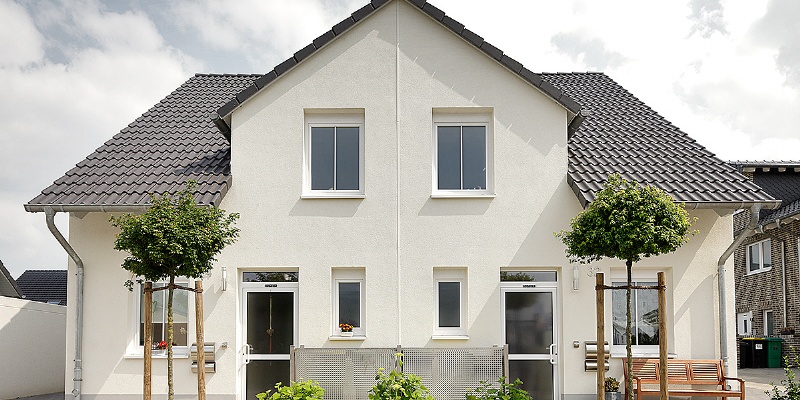
A terraced house, often known as a row house or townhouse in other regions, presents a compelling option for families seeking a home that balances practicality, community, and comfort. Its unique structure, typically spanning multiple floors and sharing walls with neighbors, often comes with an inherent design that caters well to the dynamic needs of families with children. Understanding these specific attributes can help families make an informed decision when looking for their next residence.
Overview
- Terraced houses frequently offer multi-story layouts, providing distinct zones for living, sleeping, and play, which is beneficial for family harmony.
- They often feature private outdoor spaces, such as small gardens or patios, ideal for children to play safely and for family relaxation.
- Many terraced house communities are designed with children in mind, often located near schools, parks, and other family-centric amenities.
- The shared wall structure can sometimes lead to a stronger sense of neighborhood and community spirit, offering a supportive environment for parents.
- Renting a terraced house can often be more cost-effective than a detached home, especially in desirable urban or suburban areas, making family budgeting easier.
- Their typical location within established areas usually means good access to public transport, shopping, and healthcare facilities.
- The compact footprint often means less exterior maintenance compared to a standalone house, giving families more time together.
Layout and Living Space: Designed for Family Life
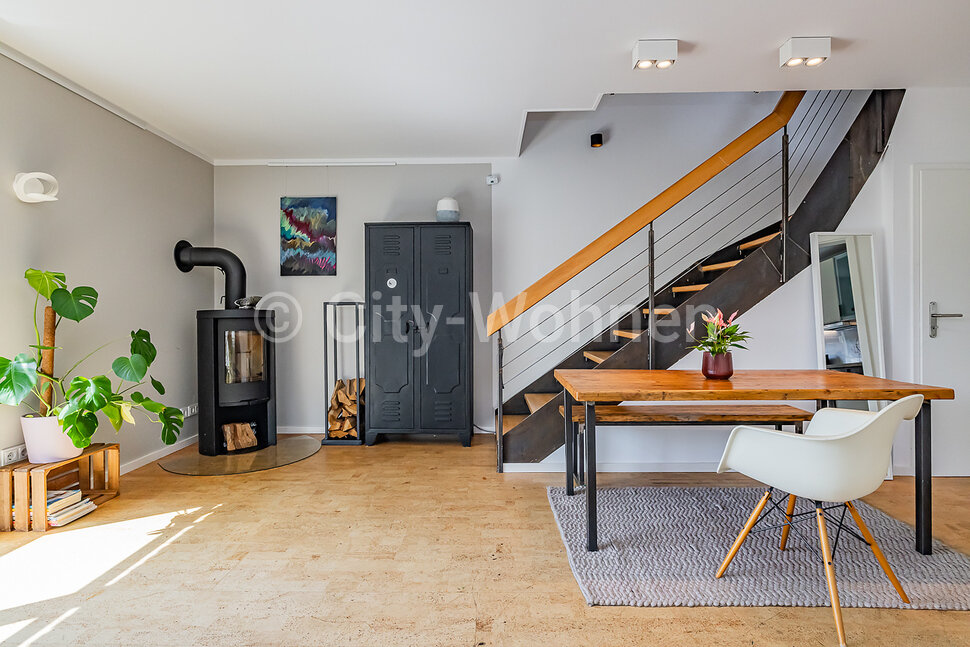
One of the primary benefits of a terraced house for families is its clever use of space. Unlike single-story apartments, these homes usually extend vertically across two or three floors. This multi-level layout naturally creates distinct zones within the house. The ground floor often houses the main living areas, such as the kitchen, dining room, and living room, perfect for family gatherings and daily activities. Upper floors typically contain bedrooms and bathrooms, providing quieter, private retreats for parents and children. This separation of spaces can be invaluable, allowing children to play freely upstairs while adults entertain guests downstairs, or providing a quiet area for homework away from the main hubbub. Each family member can enjoy their own space, reducing conflicts and fostering a sense of individual privacy within the shared home. The potential for a dedicated playroom, home office, or guest room on one of the levels further adds to its versatility.
Outdoor Access and Safety: Why Reihenhaus mieten familienfreundlich is a Smart Choice
When considering Reihenhaus mieten familienfreundlich, the aspect of outdoor space and safety is often a key selling point. While not always boasting vast backyards like a detached home, terraced houses frequently come with a private garden or patio space, even if modest. These areas are perfect for children to play safely, for outdoor dining during warmer months, or for a small patch of greenery. This private outdoor access is a significant advantage over apartment living, providing immediate relief and fresh air. Furthermore, many terraced house developments are situated in neighborhoods with lower traffic volumes or cul-de-sacs, contributing to a safer environment for children to ride bikes or play outdoors under supervision. Proximity to public parks and playgrounds is also a common feature of these areas, offering extended recreational opportunities. Compared to some urban living situations in the US where outdoor private space is a luxury, terraced houses commonly integrate this feature, making them highly desirable for families prioritizing safe outdoor access.
Community Connections and Local Amenities
Living in a terraced house often means being part of a closely-knit community. The shared walls and often uniform streetscapes can foster a strong sense of neighborhood belonging. Children have a higher chance of finding playmates among their direct neighbors, and parents can build support networks with other families nearby. This community spirit can be incredibly valuable for raising children, offering shared experiences and mutual assistance. Beyond immediate neighbors, terraced house areas are typically well-integrated into the local infrastructure. This means easy access to essential amenities like schools, kindergartens, grocery stores, doctors’ offices, and public transport links. Being able to walk or cycle to school or shops reduces reliance on cars, promotes an active lifestyle, and simplifies daily logistics for busy parents. The convenience of having everything within reach significantly contributes to the overall family-friendliness of these homes.
Budget-Friendly Living and Practical Advantages
For many families, financial considerations play a crucial role in housing decisions. Renting a terraced house can often be a more budget-friendly option compared to renting a detached house, especially in sought-after areas. While providing many of the benefits of a standalone home, such as private space and multiple rooms, they often come with a lower rental price point. This allows families to allocate more resources to other important aspects of family life, such as education, hobbies, or savings. Moreover, the maintenance requirements for the exterior of a terraced house are typically less demanding than for a fully detached property, as some exterior elements might be managed by a common agreement or simply require less upkeep due to the shared structure. This translates to less time spent on chores and more quality time for the family. The stability of a rental agreement in a well-established terraced house community can also offer peace of mind, providing a consistent and reliable living situation for families seeking long-term comfort without the burdens of homeownership.


