In today’s competitive manufacturing landscape, the efficiency of an organization’s Montageprozess (assembly process) is a critical determinant of success. A well-designed assembly process not only reduces costs and lead times but also significantly improves product quality and customer satisfaction. The goal is to streamline operations, minimize waste, and maximize output without compromising on safety or precision. Understanding the core components and strategic approaches to optimize this fundamental stage of production is essential for any business aiming for sustained growth and profitability.
Overview
- Strategic planning is the foundational step for designing an efficient Montageprozess, considering product design and workflow.
- Optimizing material flow and logistics is crucial to minimize idle time and ensure timely component delivery.
- Leveraging automation and Industry 4.0 technologies can significantly enhance speed, accuracy, and data insights within the Montageprozess.
- Investing in workforce training, ergonomics, and employee engagement fosters a productive and adaptable assembly environment.
- Implementing lean principles and continuous improvement methodologies helps identify and eliminate waste consistently.
- Data analytics and performance metrics are vital for monitoring efficiency and making informed decisions for future optimizations.
Strategische Planung für einen effizienten Montageprozess
The initial design phase is paramount for establishing an efficient Montageprozess. This begins long before physical assembly, often during product development. Employing Design for Assembly (DFA) principles means creating products that are inherently easier and quicker to assemble, with fewer parts, standardized components, and clear assembly instructions. A detailed workflow analysis is another critical step, mapping out every stage from component receipt to final product packaging. This allows for the identification of bottlenecks, redundant steps, and areas where processes can be simplified or combined.
Consider the physical layout of the assembly line. A linear, U-shaped, or cellular layout can each offer distinct advantages depending on the product volume and variety. For instance, a U-shaped cell often promotes better communication among workers and reduces material handling distances. Furthermore, standardizing work instructions and developing clear visual aids are fundamental to minimizing errors and ensuring consistent quality. This planning phase sets the stage for all subsequent improvements, creating a robust framework for operational excellence. Neglecting thorough upfront planning can lead to costly retrofits and inefficiencies down the line, impacting productivity and increasing operational expenses.
Optimierung des Materialflusses im Montageprozess
Efficient material flow is the lifeblood of an effective Montageprozess. Delays in component delivery, excessive inventory, or poorly organized workstations can cripple productivity. Implementing Just-in-Time (JIT) inventory management, where materials arrive exactly when needed, minimizes storage costs and reduces the risk of obsolescence. This requires close collaboration with suppliers and a reliable supply chain. Lean manufacturing principles, such as reducing ‘Muda’ (waste), are central to optimizing material flow. This includes eliminating unnecessary movement of materials and personnel, excessive waiting times, and overproduction.
Logistics within the assembly area should also be meticulously planned. This involves selecting appropriate material handling equipment, such as conveyors, automated guided vehicles (AGVs), or simple hand carts, based on the specific needs of the components and the assembly line. Ergonomic considerations for material presentation at each workstation are equally important; components should be easily accessible without excessive reaching or bending. Many companies in the US manufacturing sector, for example, have invested heavily in sophisticated warehouse management systems (WMS) and synchronized logistics to ensure that parts arrive precisely at the point of use, thereby drastically cutting down on assembly downtime and increasing overall throughput. Regular audits of material flow can help identify emerging inefficiencies and provide opportunities for continuous improvement.
Technologische Integration für einen zukunftsfähigen Montageprozess
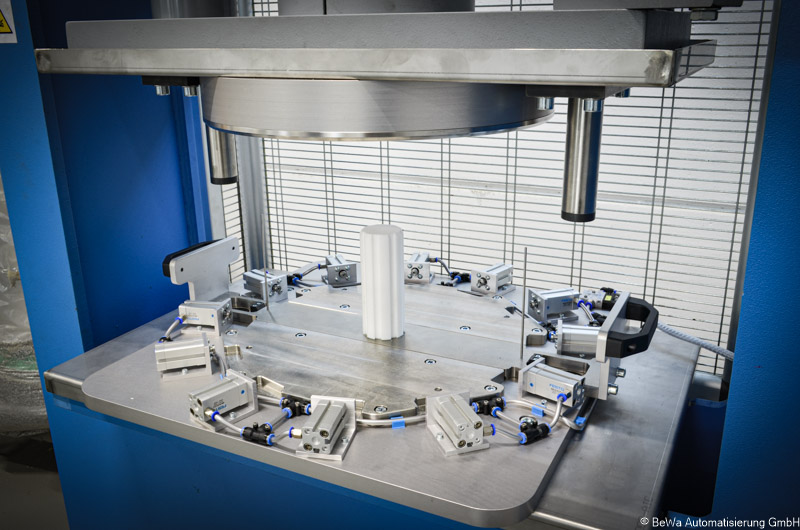
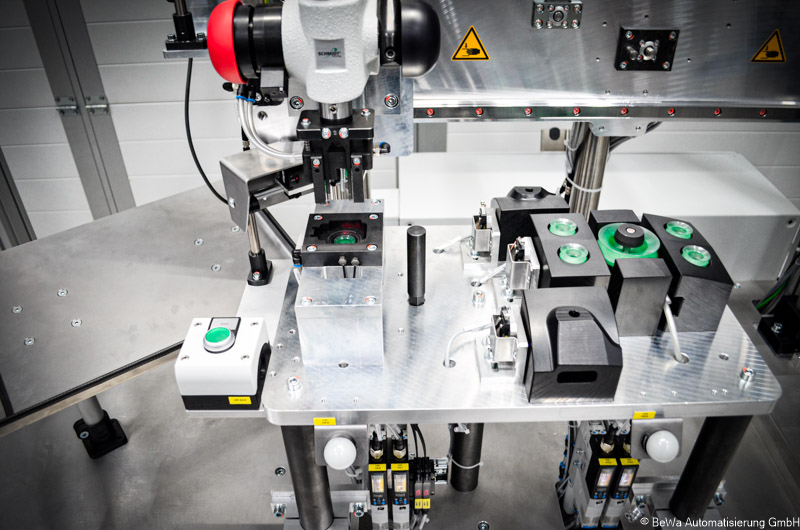
The integration of technology is no longer an option but a necessity for designing a future-ready Montageprozess. Automation, in the form of robotics and collaborative robots (cobots), can perform repetitive, strenuous, or hazardous tasks with higher precision and speed than human operators. This not only improves efficiency but also enhances worker safety and allows human talent to focus on more complex, value-added activities. Industry 4.0 technologies, such as the Internet of Things (IoT) and artificial intelligence (AI), offer unprecedented opportunities for data collection and analysis. Sensors embedded in assembly tools and machinery can provide real-time performance data, enabling predictive maintenance and proactive problem-solving.
Data analytics platforms can process this vast amount of information to identify trends, predict potential failures, and suggest optimal process adjustments. Augmented Reality (AR) can also play a significant role, providing workers with interactive visual instructions superimposed onto their workspace, reducing training time and error rates. The careful selection and integration of these technologies must align with the specific needs and scale of the assembly operation. It’s not about implementing technology for technology’s sake, but rather strategically deploying tools that genuinely enhance productivity, quality, and adaptability within the Montageprozess.
Workforce Development und kontinuierliche Verbesserung im Montageprozess
While technology plays a crucial role, the human element remains indispensable for an efficient Montageprozess. Investing in comprehensive training programs ensures that employees possess the necessary skills to operate new machinery, follow complex procedures, and adapt to evolving production demands. Cross-training employees on multiple tasks can also improve flexibility and resilience within the assembly line, mitigating the impact of absenteeism or specific skill shortages. Ergonomic workstation design is vital for worker comfort, safety, and productivity, reducing the risk of injuries and fatigue.
A culture of continuous improvement, often embodied by methodologies like Kaizen or Six Sigma, empowers employees to identify and suggest improvements to the Montageprozess. Regular feedback mechanisms, such as daily stand-up meetings or suggestion boxes, can foster an environment where every worker feels responsible for optimization. Encouraging open communication and recognizing employee contributions can significantly boost morale and engagement, leading to a more proactive and efficient workforce. Ultimately, an efficient Montageprozess is a dynamic system that benefits from both technological advancements and the invaluable insights and adaptability of its human operators. Regularly reviewing performance metrics and soliciting input from those directly involved in assembly tasks provides the most potent drivers for ongoing excellence.