
Saving money in daily life is a goal for many, regardless of income level or financial background. The desire to build an emergency fund, save for a large purchase, or simply gain more control over one’s finances is a common aspiration. It’s not about drastic sacrifices, but rather about making informed choices and adopting habits that, over time, significantly impact your financial well-being. By examining your spending patterns and identifying areas where small changes can be made, you can gradually accumulate savings without feeling deprived.

Overview
- Creating a detailed budget is fundamental to understanding income and expenses, helping you identify areas for immediate savings.
- Mindful spending habits, like distinguishing between needs and wants, can prevent impulse purchases and reduce unnecessary outlays.
- Effective grocery shopping strategies, including meal planning, making lists, and avoiding shopping while hungry, significantly cut food costs.
- Reducing household utility expenses through energy-efficient practices and mindful water usage can lead to substantial long-term savings.
- Exploring alternative transportation methods such as public transit, cycling, or carpooling offers considerable financial benefits.
- Adopting free or low-cost entertainment options and embracing DIY solutions helps avoid expensive leisure activities and service fees.
- Setting clear financial goals provides motivation and direction for sustained Sparen im Alltag efforts.
Smart Budgeting and Mindful Spending for Sparen im Alltag
One of the most effective ways to begin your journey of Sparen im Alltag is by establishing a clear budget. A budget isn’t about restricting yourself; it’s a tool that provides a realistic picture of your income versus your expenses, helping you see exactly where your money goes. Start by tracking every single dollar you spend for a month. Use an app, a spreadsheet, or even a simple notebook. Categorize your expenses into fixed costs (rent, loan payments) and variable costs (groceries, entertainment). Once you have a clear overview, you can identify areas where you might be overspending. Many people in the US and other developed nations find that discretionary spending on things like daily coffees, takeout meals, or unused subscriptions adds up quickly.
Mindful spending goes hand-in-hand with budgeting. Before making any purchase, pause and ask yourself if it’s a need or a want. Do you genuinely require this item, or is it an impulse driven by marketing or momentary desire? Waiting 24 or 48 hours before making a non-essential purchase can often help you decide if it’s truly worth the money. Avoid shopping when you’re stressed, bored, or hungry, as these emotional states often lead to regrettable spending. Cutting back on small, frequent expenditures can free up significant funds for your savings goals.
Practical Tips for Saving on Household Expenses
Your home is a major source of expenses, but it also offers numerous opportunities for Sparen im Alltag. Groceries are typically one of the largest variable costs for most households. To save money here, plan your meals for the week and create a detailed shopping list, sticking strictly to it. Avoid going to the supermarket when hungry, as this often leads to buying more than you need. Compare prices per unit, buy generic brands, and consider buying non-perishables in bulk when they’re on sale. Reducing food waste by using leftovers creatively and properly storing food also contributes to savings.
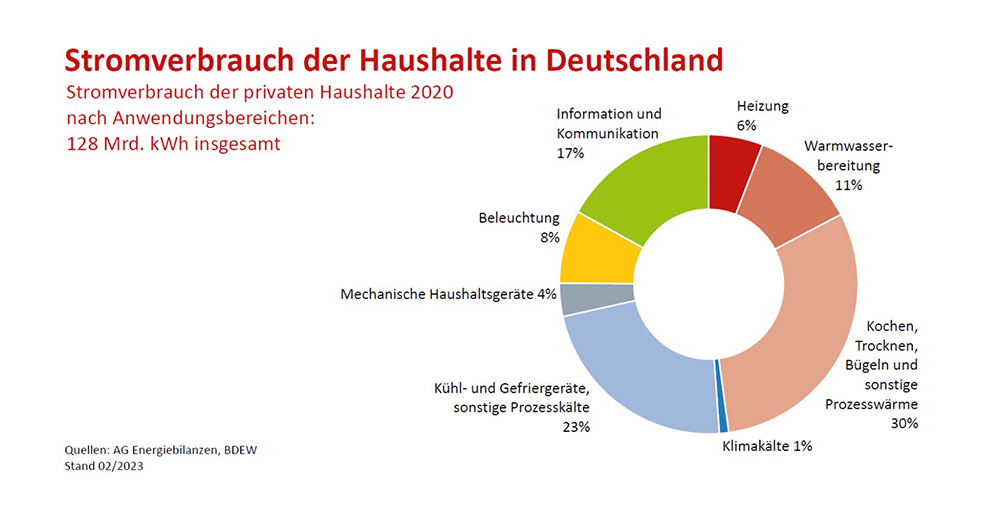
Beyond food, utilities present another area for cost reduction. Focus on energy efficiency. Turn off lights when leaving a room, unplug electronics that draw phantom power, and adjust your thermostat. A smart thermostat can optimize heating and cooling schedules, saving you money automatically. Seal drafts around windows and doors, and consider low-flow showerheads and toilets to reduce water consumption. Simple DIY repairs can also save you from calling professionals for minor issues. Learn basic fixes for leaky faucets or running toilets, and search for tutorials online.
Reducing Transportation and Entertainment Costs
Transportation costs can consume a significant portion of your budget. For many, especially those commuting daily, fuel, maintenance, and insurance add up quickly. To practice Sparen im Alltag in this area, explore alternatives to driving your personal vehicle. Public transportation, cycling, or walking are not only cheaper but often healthier and more environmentally friendly. If driving is essential, consider carpooling with colleagues or friends. Regular maintenance of your vehicle can prevent costly breakdowns, and consolidating errands into fewer trips saves on fuel. Before purchasing a new car, evaluate whether a reliable used car could meet your needs at a fraction of the cost.
Entertainment and leisure activities are important for well-being, but they don’t have to break the bank. Instead of expensive outings, look for free or low-cost options. Many cities offer free community events, parks, libraries, and museums. Host potluck dinners with friends instead of going out to restaurants. Utilize streaming services you already pay for, or explore free content platforms. Libraries offer not only books but also movies, music, and often even passes to local attractions. Embrace home entertainment like board games, movie nights, or creative hobbies that use materials you already own.
Embracing Frugal Habits for Long-Term Savings
Adopting a generally frugal mindset is key to sustainable Sparen im Alltag. This isn’t about deprivation, but about intentional choices that prioritize value and longevity. Before buying something new, consider if you can buy it second-hand. Thrift stores, online marketplaces, and garage sales are excellent sources for clothing, furniture, and household items. Similarly, learn to repair items rather than immediately replacing them. A torn shirt can be mended, and a wobbly chair can often be fixed with simple tools.
Review your recurring expenses and subscriptions regularly. Are you still using that gym membership? Do you genuinely watch all those streaming services? Canceling unused subscriptions can free up a surprising amount of money each month. Look for opportunities to save on services, too. Can you bundle your internet and phone? Can you negotiate better rates on insurance? Finally, make saving a habit by automating transfers from your checking account to your savings account immediately after you get paid. Even small, consistent contributions build up significantly over time, making your financial goals feel more attainable.