
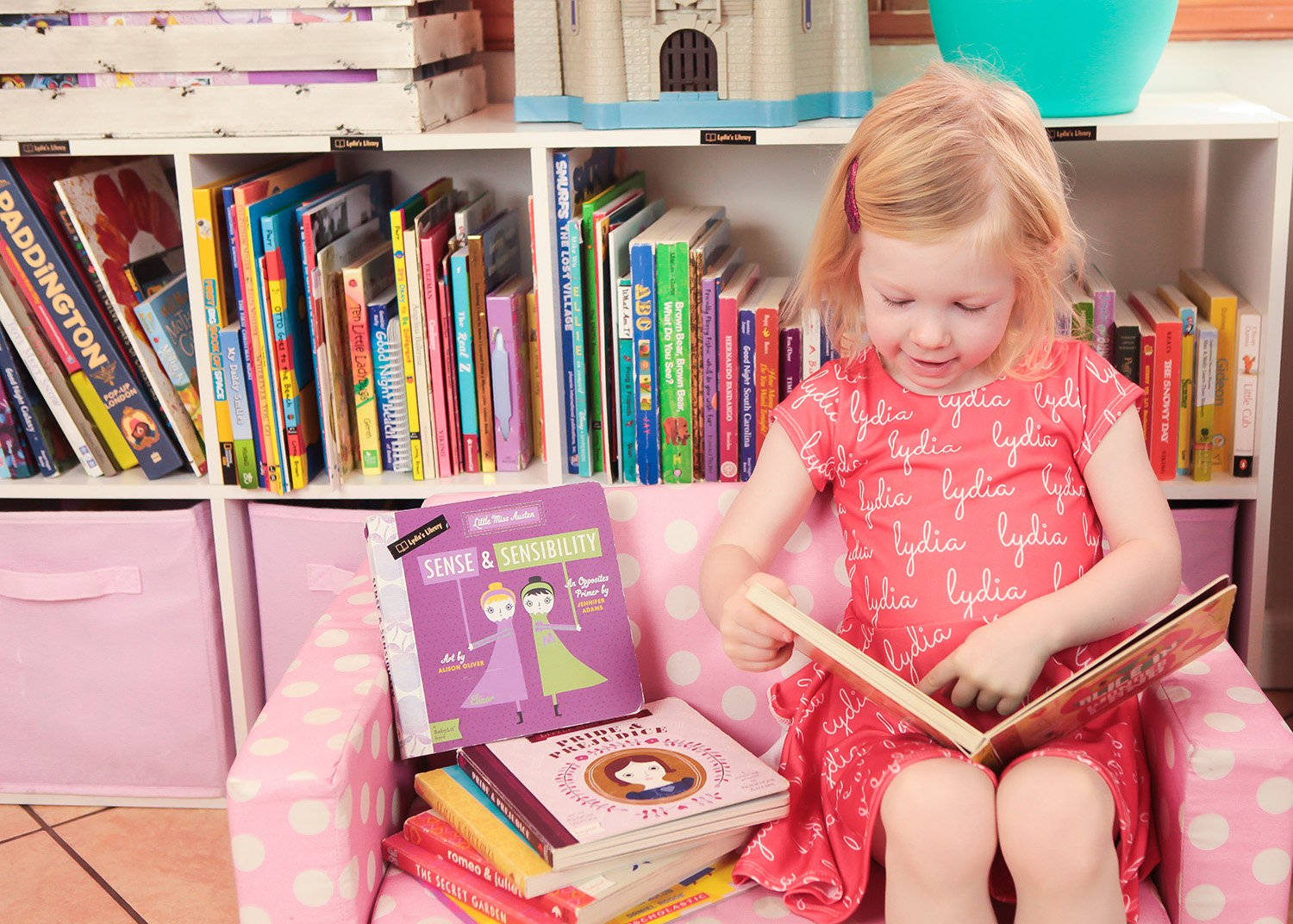
In an era dominated by digital screens and instant entertainment, the simple act of opening a physical book remains one of the most powerful tools for a child’s development.
Reading is more than just a quiet pastime; it is the foundation upon which academic success, emotional intelligence, and lifelong curiosity are built.
While any reading is beneficial, there is something uniquely impactful about the picture book.
These stories provide the first bridge between a child’s imagination and the wider world, combining visual cues with narrative rhythm to foster a love for language.
The Power of Early Literacy
The benefits of early exposure to books are backed by significant research. According to a landmark study by Ohio State University, children whose parents read them five books a day enter kindergarten having heard about 1.4 million more words than children who were never read to (Source).
This “million-word gap” is a critical factor in how easily children learn to read and write once they begin formal schooling.
Furthermore, reading for pleasure has been linked to better mental health. Research from the University of Cambridge found that children who began reading for pleasure at an early age tended to have better mental well-being in their teenage years and showed significantly higher cognitive test scores than those who started later (Source).
4 Reasons to Prioritise Reading Time
If you are looking to expand your home library, here are four reasons why diverse children’s literature is essential:
- Visual Literacy Skills: Before a child can decode letters, they decode images. Illustrated stories teach children how to interpret symbols, follow a sequence of events, and understand context clues through art.
- Empathy and Social Understanding: Books allow children to “step into the shoes” of others. Whether the character is an animal in the forest or a child in a different country, stories help young readers recognise and organises complex emotions.
- Vocabulary Expansion: Children’s books often use words that don’t typically come up in everyday conversation. This exposure helps children build a sophisticated vocabulary in a natural, engaging way.
- Bonding and Routine: Setting aside time for a bedtime story creates a sense of security and ritual. This shared experience strengthens the bond between parent and child, making the learning process feel like a reward rather than a chore.
Choosing the Right Stories
When selecting books, look for a mix of classic tales and modern adventures. By providing a variety of genres—from whimsical fantasies to educational non-fiction—you ensure that your child remains curious about the world around them.
Investing in a diverse collection of books is one of the greatest gifts a parent can provide. Whether it’s a vibrant story about a brave explorer or a gentle tale about friendship, the right book can spark a flame of imagination that lasts a lifetime.


