
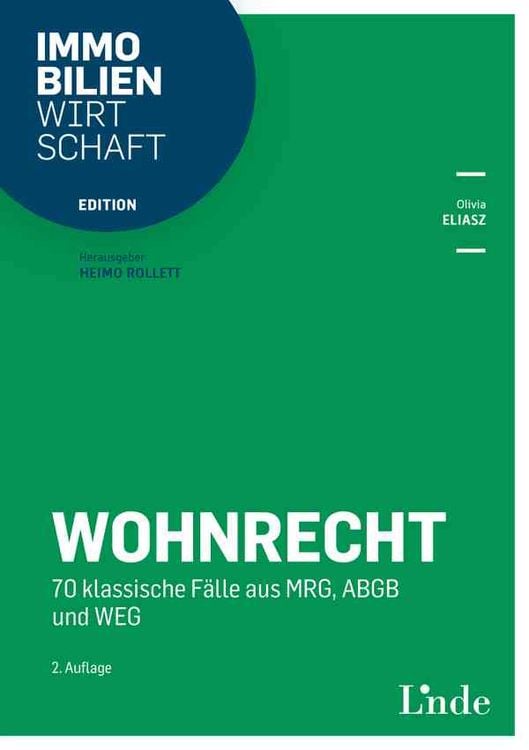
When discussing housing arrangements in a German legal context, two terms frequently arise that can cause confusion for those unfamiliar with the specifics: Mietrecht (tenancy law) and Wohnrecht (right of residence). While both relate to the right to occupy a property, their legal basis, implications, and practical applications are fundamentally different. Grasping these distinctions is crucial for property owners, residents, and anyone involved in real estate transactions, especially when comparing them to similar concepts in other jurisdictions, like the US.

Overview:
- Mietrecht governs standard rental agreements, establishing a contractual relationship between a landlord and a tenant.
- Wohnrecht is a personal servitude, a right established in the land register, allowing a specific person to live in a property for life or a defined period.
- Mietrecht is based on a rental contract, typically involving rent payments, while Wohnrecht usually does not involve ongoing rent.
- Wohnrecht offers greater security of tenure compared to a rental agreement, as it is a real right associated with the property itself.
- The termination conditions for Mietrecht and Wohnrecht vary significantly, with Wohnrecht being far more challenging to revoke.
- Unlike tenancy, Wohnrecht is often granted in contexts such as inheritance, property transfer within families, or as part of a sale agreement.
- Understanding these differences helps individuals make informed decisions about property use and transfer, mitigating potential legal disputes.
Understanding Wohnrecht: A Fundamental Right
Wohnrecht, often translated as the “right of residence” or “right to live,” is a specific type of personal servitude in German civil law, regulated primarily by § 1093 of the Bürgerliches Gesetzbuch (BGB). It grants a designated person the right to occupy a particular property or part of it, typically for their lifetime, without necessarily owning it. This right is personal and non-transferable; it cannot be sold, rented out, or bequeathed to heirs.
Unlike a simple agreement, Wohnrecht is a real right, meaning it is registered in the land register (Grundbuch) against the property. This registration makes it binding on any subsequent owner of the property. If a property with a registered Wohnrecht is sold, the new owner must respect the existing right of residence. This provides a very high degree of security for the person holding the Wohnrecht. The holder of a Wohnrecht is usually responsible for the maintenance of the living space and can be obligated to contribute to operating costs, although the specifics depend on the individual agreement establishing the right. Common scenarios for granting Wohnrecht include elderly parents transferring their property to their children while retaining the right to live there, or as part of a sales agreement where the seller remains in the property for a certain period. The intent is often to provide lifelong security for the resident.
Mietrecht (Tenancy Law) Explained: Contractual Agreements
Mietrecht, or tenancy law, governs the relationship between landlords and tenants based on a rental agreement (Mietvertrag). This is a contractual relationship, typically formalized in a written agreement, outlining the rights and obligations of both parties. The primary obligation of the tenant is to pay rent, while the landlord must provide the property in a habitable condition and maintain it.
Mietrecht is extensive in Germany, offering significant protections to tenants. It covers aspects such as rent increases, termination notice periods, permissible reasons for eviction, and the responsibilities for repairs. Unlike Wohnrecht, a tenancy agreement is not registered in the land register. Its validity is purely contractual. If the rented property is sold, the tenancy agreement usually transfers to the new owner (“Kauf bricht nicht Miete” – purchase does not break tenancy), but the fundamental nature remains a contractual obligation, not a real right tied to the property itself. The terms of a rental agreement are flexible to some extent, allowing parties to negotiate rent, duration, and other conditions, though many aspects are strictly regulated by law to prevent exploitation. For example, specific notice periods apply for termination, and landlords generally need a legitimate reason to terminate a tenancy.
Key Differences Between Mietrecht and Wohnrecht
The fundamental distinction between Mietrecht and Wohnrecht lies in their legal nature and the resulting security and implications for both parties. Mietrecht is a personal obligation arising from a contract. It binds specific individuals – the landlord and the tenant. Wohnrecht, conversely, is a real right (Dingliches Recht) that attaches to the property itself, making it enforceable against anyone who owns the property, not just the original grantor. This is why Wohnrecht is registered in the land register, a crucial difference.
Regarding duration, a tenancy agreement typically has a defined term or is open-ended but can be terminated by either party under specific legal conditions and notice periods. Wohnrecht, however, is often granted for life, making it much more difficult to revoke. It usually only ends upon the death of the holder or under very specific, rarely met conditions (e.g., destruction of the property, consensual agreement). Financial aspects also differ significantly. Tenants under Mietrecht pay regular rent. While the holder of a Wohnrecht might contribute to operating costs or even a one-time payment for the right itself, they typically do not pay ongoing rent. The reasons for creation also diverge: Mietrecht facilitates temporary living arrangements for a fee, while Wohnrecht often serves as a means of securing long-term residence, frequently within family asset transfers or as part of a senior’s retirement planning. The protection offered by Wohnrecht is generally superior to that of a rental contract, especially in cases of property sale or ownership changes.
Implications and Practical Scenarios Involving Wohnrecht
Understanding the implications of Wohnrecht is vital for various practical scenarios. For property owners, granting Wohnrecht means their property is encumbered, potentially reducing its market value and limiting their ability to fully utilize or dispose of it. However, it can also be a valuable tool for estate planning, allowing owners to transfer assets to heirs while ensuring their own continued residence. For example, parents might sell their house to their children at a reduced price, subject to a lifetime Wohnrecht for themselves. This secures their housing and provides an early inheritance benefit.
For individuals benefiting from Wohnrecht, it provides unparalleled housing security. They are protected from eviction and rent increases, offering peace of mind, especially in old age. This security is why it’s a popular arrangement in Germany for ensuring elderly family members can remain in their homes. However, the holder of Wohnrecht usually cannot rent out the property or part of it to others, unless explicitly permitted in the agreement. If the holder of the Wohnrecht moves out permanently (e.g., into a nursing home), the right generally lapses. These distinctions are critical not only in Germany but also serve as a comparative point for housing rights in other nations, including aspects of life estates or reserved occupancy rights found in the US, though those systems have their own unique legal frameworks. The specificity and strength of Wohnrecht in Germany make it a distinct and powerful legal instrument for securing residence.


