

Explore authentic Kroatische Küche Empfehlungen from a seasoned traveler. Get trustworthy insights into Croatian dishes and dining experiences.
My numerous trips along the Croatian coast and into its rustic interior have left me with an indelible appreciation for its food. It’s a cuisine deeply rooted in fresh, local ingredients and age-old traditions. From the bustling markets of Split to the quiet konobas of Istria, every meal tells a story. I’ve learned to seek out genuine eateries, avoiding tourist traps, to truly taste Croatia. This article shares my most trusted insights, born from years of savoring every bite.
Key Takeaways:
- Croatian cuisine is incredibly diverse, with strong regional influences from the Mediterranean and Central Europe.
- Fresh, local ingredients are paramount, especially seafood along the coast and meat inland.
- Traditional dishes often feature olive oil, garlic, and fresh herbs, emphasizing simple, robust flavors.
- A “konoba” offers an authentic, often family-run, dining experience with local specialties.
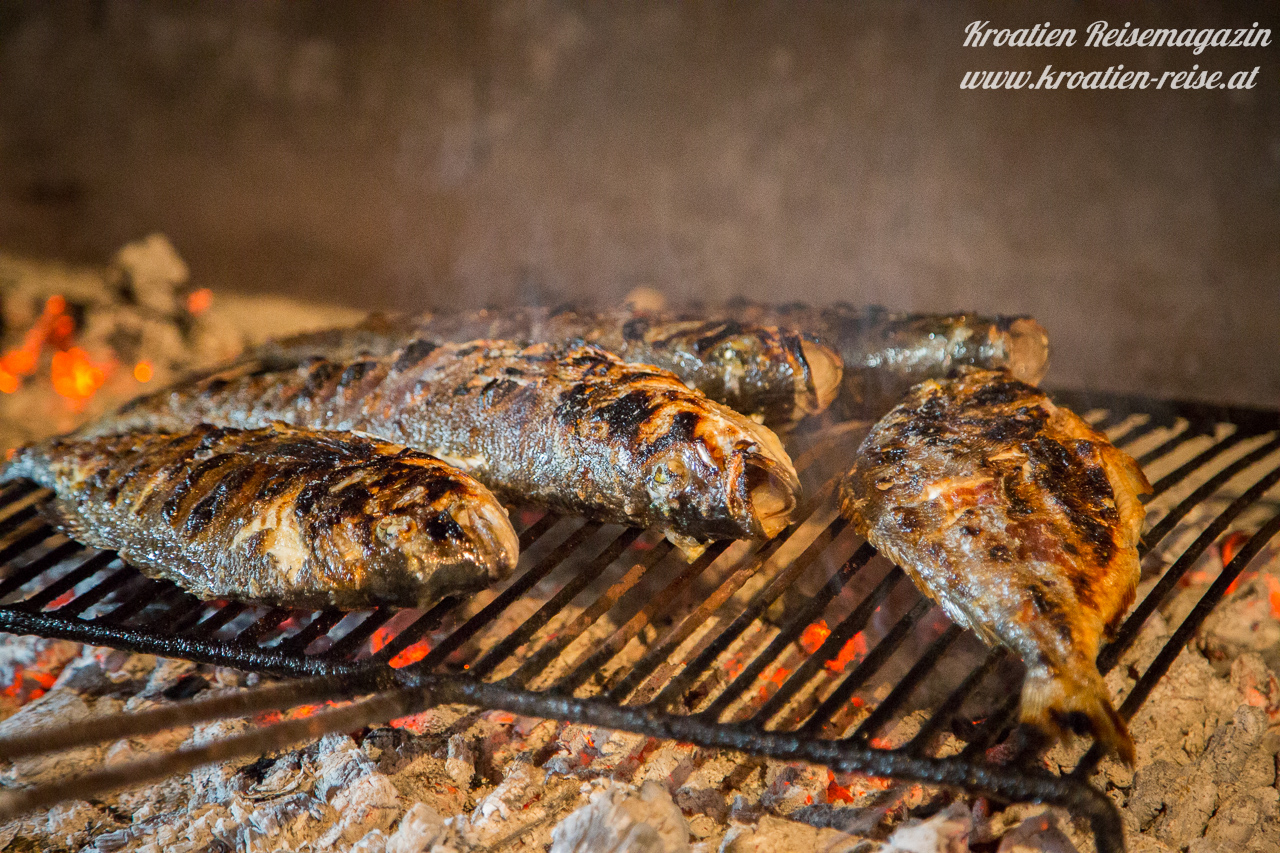
- Don’t miss Peka, a slow-cooked dish, or fresh seafood prepared “na gradele” (grilled).
- Istria is renowned for truffles and olive oil, while Dalmatia shines with seafood.
- Pair meals with local wines like Malvazija or Plavac Mali, or a refreshing rakija.
- Desserts are typically lighter, with fritule or rožata being popular choices.
- Look for eateries frequented by locals for the best and most authentic dining.
- Croatian food culture is about enjoying good company and leisurely meals.
Starting Your Croatian Culinary Journey: Kroatische Küche Empfehlungen
When first approaching Croatian food, it’s wise to begin with the staples that define the regional character. On the coast, fresh fish and seafood are non-negotiable. Look for terms like “riba na gradele” (grilled fish) or “lignje” (squid), often simply prepared with olive oil, garlic, and parsley. My personal favorite is grilled orada or brancin, always served with blitva s krumpirom (Swiss chard with potatoes). This simple preparation allows the natural flavors of the seafood to shine. These are excellent Kroatische Küche Empfehlungen for any visitor.
Further inland, the cuisine shifts, becoming heartier. Dishes like “peka” are a must-try. This slow-cooked meat and vegetable dish, often lamb or veal, is cooked under a bell-like dome in an open hearth. The result is incredibly tender meat, bursting with flavor. I once had a peka prepared by a family in a small village near Šibenik, an experience I still vividly recall. The hospitality and the food were unforgettable. Don’t overlook the simple pleasures of pršut (dry-cured ham) and paški sir (Pag island cheese) as appetizers.
Regional Specialties and Must-Try Dishes
Croatia’s culinary map is distinctly divided, each region offering its own treasures. In Istria, the focus is often on truffles. Fresh truffle pasta, often “fuži” (a local pasta type), or scrambled eggs with truffles are exceptional. The olive oils from Istria are also world-class, often winning international awards. I always bring a bottle home with me. The region’s wines, particularly Malvazija for whites, are perfect accompaniments.
Dalmatia, stretching along the southern coast, is all about the sea. Beyond grilled fish, try “crni rižot” (black risotto), made with cuttlefish ink. It’s a striking dish, both visually and in taste. Another staple is “pašticada,” a slow-braised beef dish typically served with gnocchi. This rich, savory stew, often prepared for special occasions, exemplifies the region’s commitment to slow cooking and deep flavors. Visiting a local market and seeing the fresh produce and fish laid out truly enhances the appreciation for the food. Even in the US, it’s hard to replicate the freshness.
Sweet Endings and Beverages: Kroatische Küche Empfehlungen
No meal is complete without a sweet finish or a traditional drink. Croatian desserts are generally less sugary than some other European counterparts. “Fritule” are small, round doughnuts, often flavored with citrus zest and brandy, dusted with powdered sugar. They are especially popular around holidays but can be found year-round in many places. “Rožata,” a crème brûlée-like custard, is a Dalmatian classic, subtly sweet and delicate. These are lovely Kroatische Küche Empfehlungen for those with a sweet tooth.
For beverages, Croatian wines are highly underrated. Malvazija and Pošip are excellent white varieties, while Plavac Mali is the king of reds, producing robust and full-bodied wines. Don’t shy away from trying local brandies, known as “rakija.” Often homemade, these powerful spirits come in various flavors, such as “travarica” (herbal) or “orahovac” (walnut). A small shot is often offered as a digestif after a hearty meal, a true local custom.
Practical Tips for Enjoying Kroatische Küche Empfehlungen
To truly experience Croatian food, seek out “konobas.” These traditional taverns, often family-run, prioritize authenticity and local ingredients. They typically offer seasonal menus, ensuring the freshest produce and catch of the day. Ask locals for their favorite spots; word-of-mouth recommendations are invaluable. I’ve found some of my best meals in unassuming places, tucked away from the main tourist paths. Embracing these genuine settings is key to appreciating Kroatische Küche Empfehlungen.
Furthermore, embrace the Mediterranean pace of dining. Meals are often leisurely affairs, meant to be savored with good company. Don’t rush. Take time to enjoy the ambiance, the flavors, and the conversation. Portions can be generous, so don’t hesitate to share, especially when trying multiple dishes. Remember that Croatian hospitality is immense; engaging with your hosts often leads to special off-menu treats or insights into local culinary traditions. Be open to trying new things, and you’ll be richly rewarded.


